



TLR4
TLR4 is a pattern-recognition receptor that detects bacterial lipopolysaccharide (LPS) and drives innate immune activation with pro-inflammatory cytokine and chemokine production[1]. Mechanistically, TLR4-MD-2 recognizes LPS, and the solved TLR4-MD-2-LPS structure explains ligand recognition and receptor activation[2]. After LPS engagement, TLR4 signals through TIRAP-MyD88 at the plasma membrane and then through TRAM-TRIF from early endosomes to induce interferon-β responses[3]. Therefore, TLR4 trafficking links receptor localization to inflammatory signaling magnitude and duration[4]. In disease models, abnormal TLR4 signaling associates with sepsis, endotoxemia, acute lung injury, rheumatoid arthritis, and cardiovascular diseases[5]. Compared with related TLR isoforms, TLR4 is distinguished by LPS recognition through the MD-2 complex and sequential MyD88/TRIF signaling[2][3]. For experimental applications, TLR4 inhibitors may downregulate TLR4, bind TLR4 or TLR4/MD-2, or bind MD-2 to suppress pathway activation[5]. However, eritoran, an MD2-TLR4 antagonist, did not significantly reduce sepsis-induced mortality in a phase 3 trial[6].
References:
- [1]. Vaure C, et al. A comparative review of toll-like receptor 4 expression and functionality in different animal species. Front Immunol. 2014 Jul 10;5:316. [Content Brief]
- [2]. Park BS, et al. The structural basis of lipopolysaccharide recognition by the TLR4-MD-2 complex. Nature. 2009 Apr 30;458(7242):1191-5. [Content Brief]
- [3]. Kagan JC, et al. TRAM couples endocytosis of Toll-like receptor 4 to the induction of interferon-beta. Nat Immunol. 2008 Apr;9(4):361-8. [Content Brief]
- [4]. Ciesielska A, et al. TLR4 and CD14 trafficking and its influence on LPS-induced pro-inflammatory signaling. Cell Mol Life Sci. 2021 Feb;78(4):1233-1261. [Content Brief]
- [5]. Zhang Y, et al. Toll-like receptor 4 (TLR4) inhibitors: Current research and prospective. Eur J Med Chem. 2022 May 5;235:114291. [Content Brief]
- [6]. Opal SM, et al. Effect of eritoran, an antagonist of MD2-TLR4, on mortality in patients with severe sepsis: the ACCESS randomized trial. JAMA. 2013 Mar 20;309(11):1154-62. [Content Brief]
All Product Categories
-
TLR4 Inhibitors
(69)
View all products
-
TLR4 Agonists
(11)
View all products
-
TLR4 Antagonists
(6)
View all products
-
TLR4 Activators
(7)
View all products
-
TLR4 Modulators
(2)
View all products
-
TLR4 Chemical
(1)
View all products
-
TLR4 Inducer
(1)
View all products
-
TLR4 Ligand
(1)
View all products
-
TLR4/CD284 Proteins
(1)
View all products
-
TLR4 Related Products (103)
Related Products (103)

-
Recombinant Proteins (1)
-
Magnesium citrate
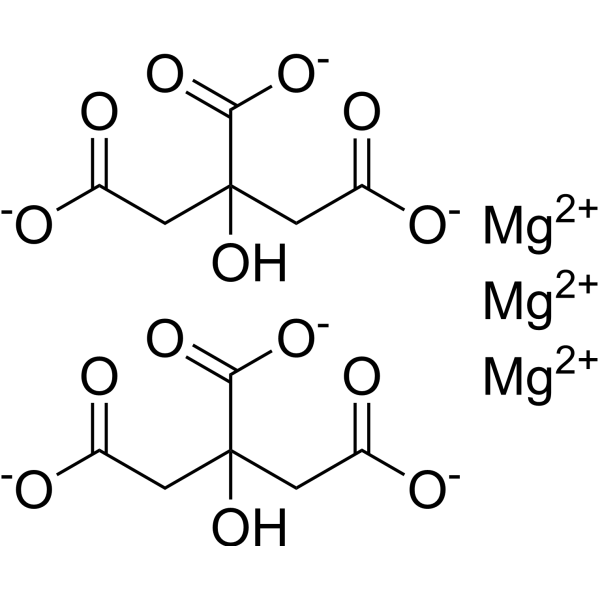 0 ImagesSynonyms: Trimagnesium dicitrateMagnesium citrate (Trimagnesium dicitrate) is an orally active magnesium-containing compound that can cross the blood-brain barrier (BBB). Magnesium citrate can be used as an intestinal cleanser and is studied for its application in laxatives. Magnesium citrate can also increase the pain threshold and is studied for pain-relief purposes.
-
Astringin
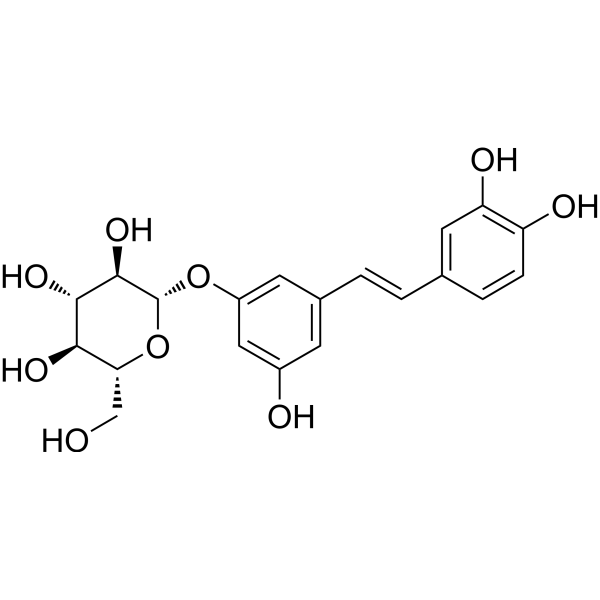 0 ImagesSynonyms: trans-AstringinAstringin (trans-Astringin) is an orally active natural phenolic stilbene glucoside. Astringin can inhibit the production of oxidative stress, inflammatory factors, etc. Astringin has multiple activities such as anti-oxidation, anti-inflammation, and anti-apoptosis. Astringin is also an inhibitor of ferroptosis. Astringin can be used in the research of diseases such as acute lung injury.
-
N-(p-Coumaroyl) Serotonin
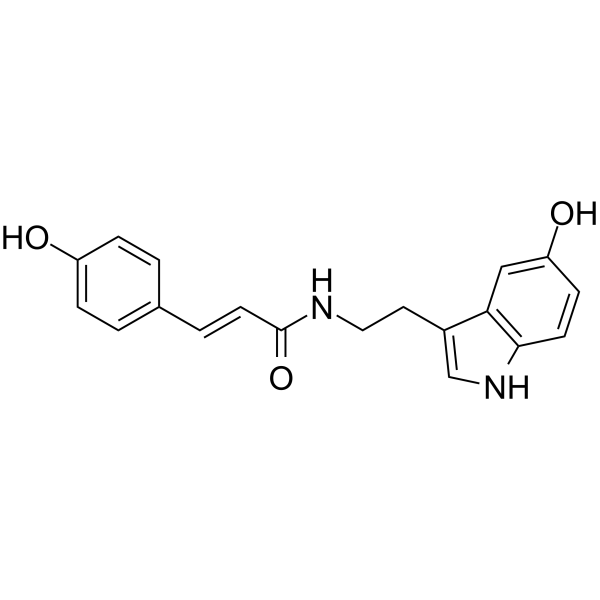 0 ImagesN-(p-Coumaroyl) Serotonin is an orally active polyphenol found in safflower seeds with potent anti-inflammatory, antioxidant, and antitumor activities. N-(p-Coumaroyl) Serotonin suppresses NF‑κB, TLR4/MyD88 and MAPK signaling, activates NQO1/HO‑1 pathways, and inhibits pro‑inflammatory cytokines, iNOS and COX‑2 and ROS production. N-(p-Coumaroyl) Serotonin induces S‑phase arrest and apoptosis in glioblastoma cells, reduces atherosclerotic lesions, and alleviates renal and vascular injuries. N-(p-Coumaroyl) Serotonin acts as a vasodilator, regulates calcium dynamics. N-(p-Coumaroyl) Serotonin can be used for the research of neurodegenerative diseases, atherosclerosis, glioblastoma, and acute renal failure.
-
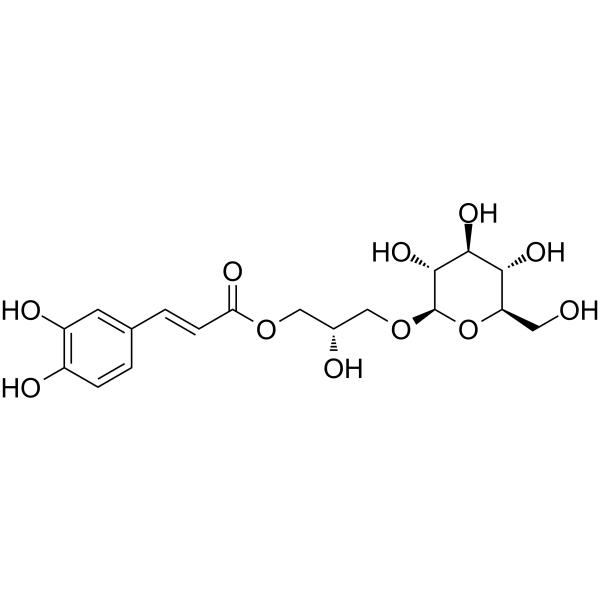
L48H37
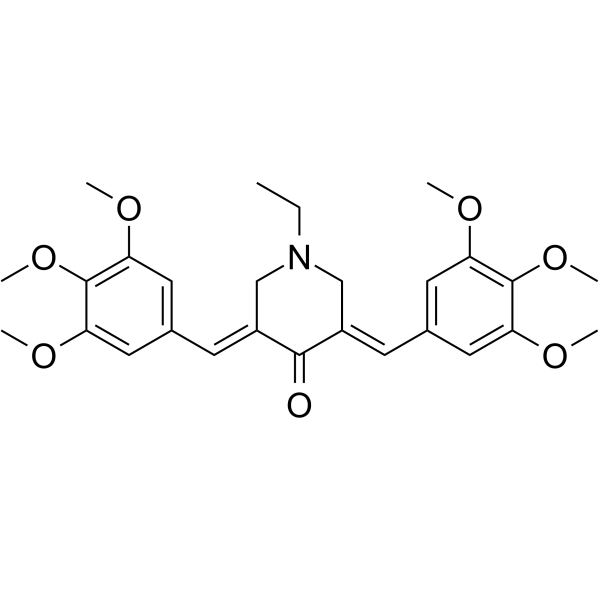 0 ImagesCat. No.: HY-126154CAS No.: 343307-76-6
-
GlcNAc-MurNAc
 0 ImagesCat. No.: HY-175222CAS No.: 41137-10-4GlcNAc-MurNAc, a disaccharide, is a TLR4 agonist with a Kd of 383 μM for murine TLR4. GlcNAc-MurNAc directly binds to TLR4 and activates its downstream NF-κB and IRF pathways. GlcNAc-MurNAc improves Dextran sulfate sodium salt (DSS) (HY-116282C)-induced colitis in mice through a TLR4-dependent mechanism. GlcNAc-MurNAc can be used for the study of inflammatory bowel disease.
-
MAPK-IN-1
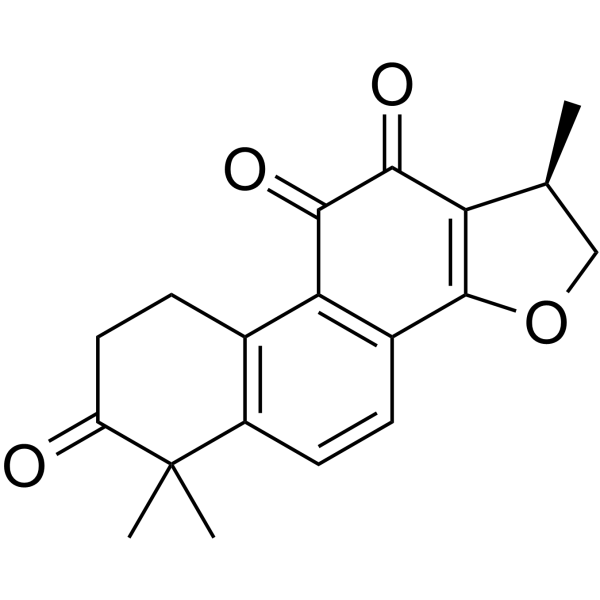 0 ImagesMAPK-IN-1 (Compound 2) is a MAPK signaling pathway inhibitor. MAPK-IN-1 exhibits AChE inhibitory activity with an IC50 of 23.84 μM. MAPK-IN-1 shows anti-neuroinflammatory and neuroprotective activity and can be used for Alzheimer's disease research.
-
Fosfenopril
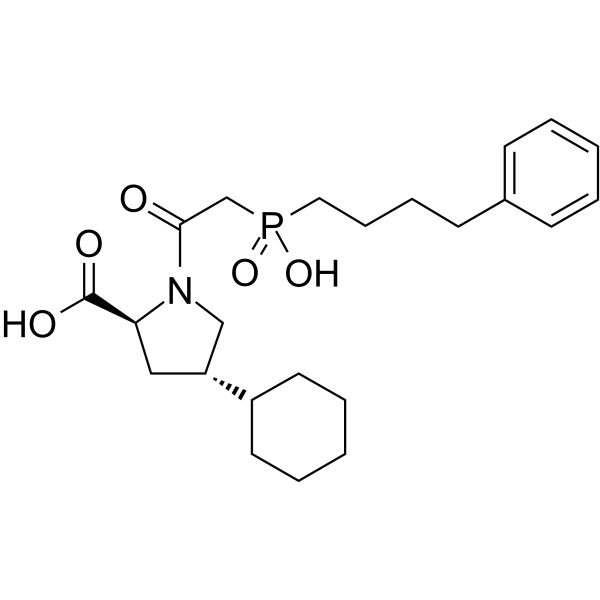 0 ImagesSynonyms: Fosinoprilat; Fosinoprilic acid; SQ 27519Fosfenopril (Fosinoprilat) is a potent angiotensin converting enzyme (ACE) inhibitor. Fosfenopril alleviates lipopolysaccharide (LPS)-induced inflammation by inhibiting TLR4/NF-κB signaling in monocytes.
-
Sericin
 0 ImagesCat. No.: HY-NP192Sericin is an orally active globular protein produced by silkworm cocoons. Sericin inhibits the expression of COX2, iNOS, TLR4, MAPK and NF-κB; reduces the levels of IL-18, IL-1 and CCL2; antagonizes the activity of AChE; and downregulates the expression of Bcl-2. Sericin enhances the PI3K/AKT-mediated insulin signaling pathway. Sericin inhibits the activity of tyrosinase (Tyrosinase), scavenges ROS, chelates metal ions, and increases the levels of antioxidant enzymes. Sericin induces apoptosis and arrests the cell cycle. Sericin exhibits antibacterial, moisturizing, cardioprotective and anticoagulant properties. Sericin can be used in research related to type 2 diabetes, hyperlipidemia, obesity, Alzheimer's disease, colon cancer, peripheral nerve injury and ischemic myocardial infarction.
-
Kdo2-Lipid A ammonium
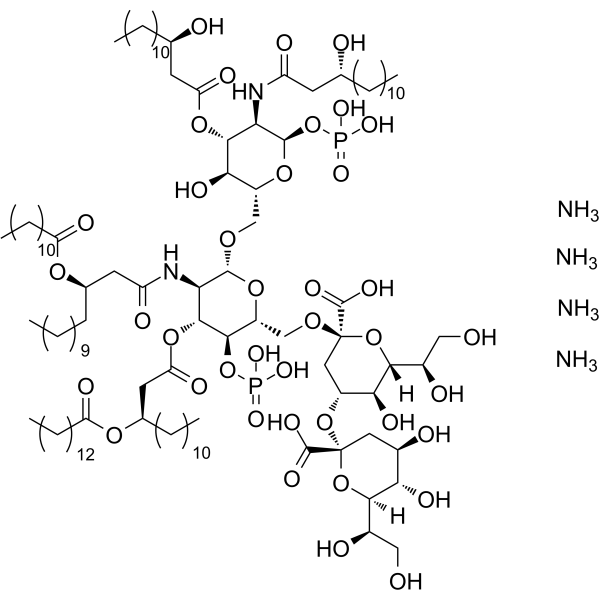 0 ImagesCat. No.: HY-N8277CAS No.: 1246298-62-3Kdo2-Lipid A ammonium is a chemically defined lipopolysaccharide (LPS) with endotoxin activity equal to LPS. Kdo2-Lipid A ammonium is highly selective for TLR4. Kdo2-Lipid A ammonium stimulates the release of both TNF and PGE2.
-
NGI-235
 0 ImagesNGI-235 is an STT3A-selective oligosaccharyltransferase complex OST-A inhibitor. NGI-235 preferentially inhibits OST-A catalytic activity, impairing N-glycosylation of OST-A substrates. NGI-235 causes the hypoglycosylation of both TLR4, GLUT1 and inhibits NF-κB signaling. NGI-235 can be used for the research of inflammation.
-
TLR4/NF-κB-IN-1
 0 ImagesTLR4/NF-κB-IN-1 (Compound 7x) is an orally available inhibitor that specifically targets the TLR4/NF-κB signaling pathway, offering anti-inflammatory effects and the ability to cross the blood-brain barrier. TLR4/NF-κB-IN-1 can reduce acute neuroinflammation in mice caused by LPS (HY-D1056) and downregulate the expression of TLR4, P-NF-κB and P-IκB-α proteins.
-
Mogroside III-E
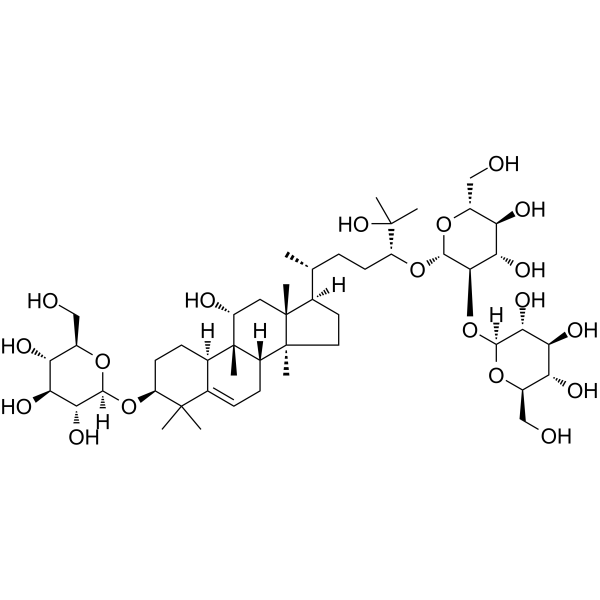 0 ImagesMogroside III-E is a cucurbitane-type triterpenoid glycoside extracted from Siraitia grosvenorii, and it is an orally active TLR4 inhibitor. Mogroside III-E downregulates the expression of TLR4 and MyD88, and blocks the phosphorylation of downstream ERK, JNK and p38 MAPK molecules; meanwhile, it inhibits TGF-β- or LPS-mediated transdifferentiation of primary pulmonary fibroblasts into myofibroblasts, reduces the content of fibrosis markers such as hydroxyproline, suppresses the pro-fibrotic TGF-β/Smad signaling pathway, and downregulates the levels of inflammatory factors MPO and IL-1β. Mogroside III-E alleviates Bleomycin (HY-108345)-induced pulmonary collagen deposition and inflammatory infiltration in mice. Mogroside III-E can be used in studies related to idiopathic pulmonary fibrosis.
-
Azaleatin
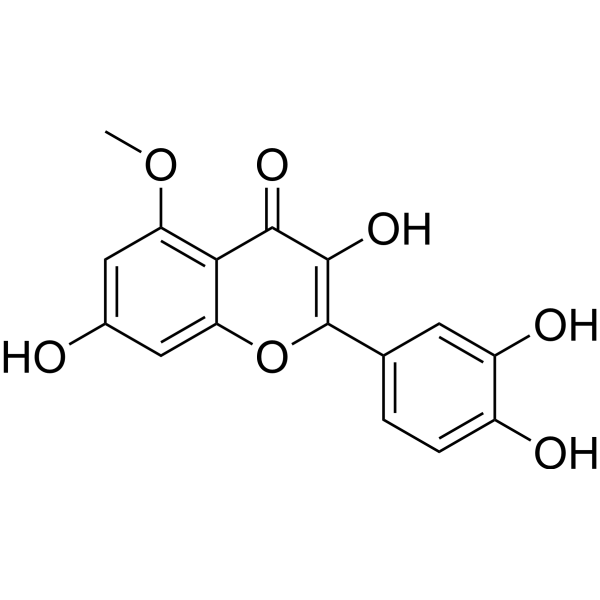 0 ImagesAzaleatin is an orally active inhibitor of hQC, NS2B-NS3 protease and E. coli β-glucuronidase, with IC50 values of 1.1 μM, 38.00 μg/mL and 0.57 μM, respectively. Azaleatin inhibits the activities of NF-κB, MyD88, JAK1, TLR4, STAT3, IL-1β, IL-6, COX-2, TNF-α and β-glucuronidase, blocks pro-inflammatory signaling pathways, reduces the levels of ROS, MDA and uric acid, elevates the levels of GPx, GSR, GST, SOD, CAT, HO-1 and GSH, scavenges free radicals and exerts reducing capacity. Azaleatin inhibits the expression of pro-apoptotic proteins Bax, Caspase-9 and Caspase-3, and upregulates the expression of anti-apoptotic protein Bcl-2. Azaleatin reduces the levels of cardiac injury markers, restores cardiac histological structure, inhibits Aβ aggregation, dengue protease activity, hepatic stellate cell proliferation and cancer cell growth, and also exhibits antibacterial activity. Azaleatin can be used in studies related to subchronic cardiotoxicity, Alzheimer's disease, dengue fever, hyperuricemia, liver fibrosis, gastric cancer and bacterial infections.
-
Salvianolic acid D
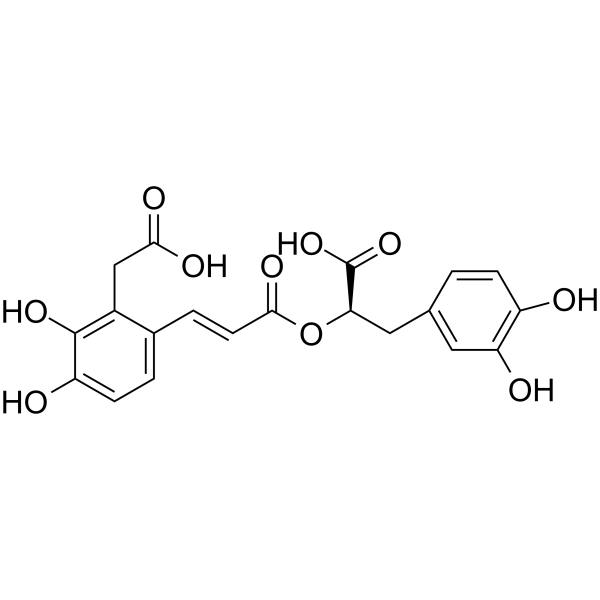 0 ImagesCat. No.: HY-N0320CAS No.: 142998-47-8Salvianolic acid D is a depside. Salvianolic acid D can be isolated from Salvia miltiorrhiza (Danshen). Salvianolic acid D promotes the expression of Bcl-2, and inhibits the expressions of Bax, Cleaved caspase-3 and -9. Salvianolic acid D reduces the expression levels of TLR4, MyD88 and TRAF6 proteins both in vitro and in vivo, and significantly inhibits the nuclear translocation of NF-κB. Salvianolic acid D inhibits the cytoplasmic translocation of HMGB1. Salvianolic acid D suppresses inflammatory responses and alleviates cerebral ischemia-reperfusion injury. Salvianolic acid D serves as a potential antiplatelet active component.
-
Pellitorine
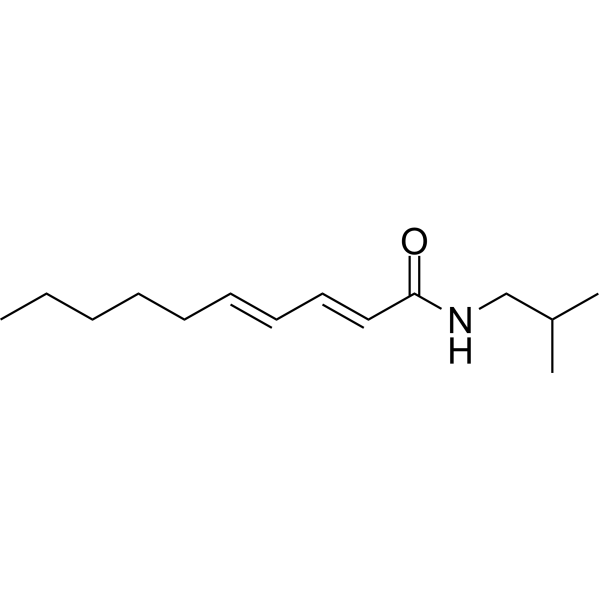 0 ImagesPellitorine is a bioactive natural amide compound. Pellitorine can competitively antagonize the activation of TRPV1 by Capsaicin (HY-10448), thereby reducing pain signal transmission. Pellitorine improves cognitive dysfunction by upregulating the BDNF-ERK1/2-CREB and Nrf2-HO-1 pathways. Pellitorine exerts anti-inflammatory and anti-sepsis effects by inhibiting the release of high mobility group protein B1 (HMGB1) and the expression of RAGE/TLR4. Pellitorine exerts its antithrombotic effect by prolonging the clotting time, inhibiting the activity of clotting factors and thrombin. Pellitorine inhibits lipid peroxidation and resists ferroptosis by upregulating GPX4 and DHODH. Pellitorine kills Aedes aegypti mosquito larvae by inhibiting V-type H⁺-ATPase and aquaporin 4 (AaAQP4). Pellitorine exhibits anti-cancer activity (e.g., leukemia and breast cancer) and has inhibitory effects on certain bacteria.
-
Benzylmethyl ether
 0 ImagesBenzylmethyl ether is a derivative of HY-B0892 (Benzyl alcohol). Benzylmethyl ether is an aromatic alcohol, a colorless liquid with a mild aromatic odor. Benzylmethyl ether is an inhibitor of P450 enzyme. Benzylmethyl ether mediated Toll-Like Receptor 4 to reduce the inflammatory response of liver injury in mice.
-
Tomentosin
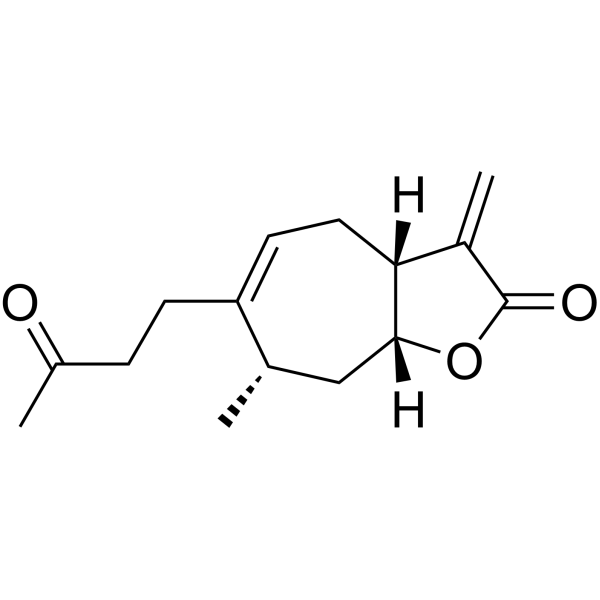 0 ImagesTomentosin is an orally active natural sesquiterpenoid lactone. Tomentosin exhibits multiple activities such as anti-tumor, anti-fungal, anti-inflammatory, anti-oxidant and neuroprotective effects. Tomentosin can inhibit tumor cell proliferation, migration and invasion, and induce apoptosis. Tomentosin can be used in the research of tumors, inflammation and nervous system diseases.
-
TLR4-IN-C34-C2-amide-C6-OH
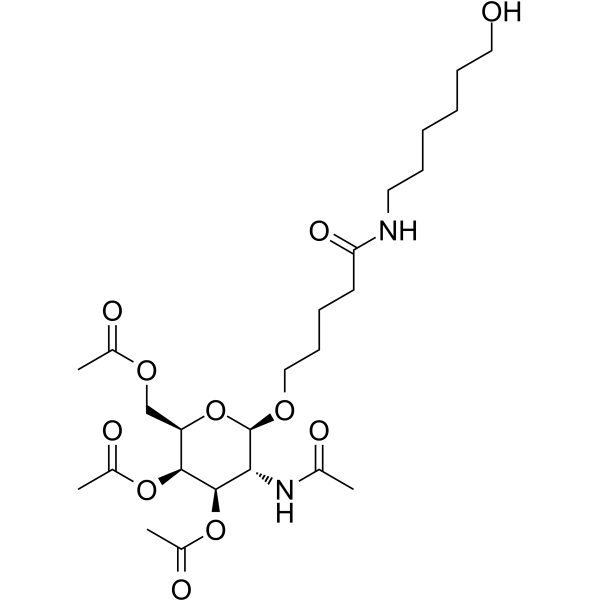 0 ImagesCat. No.: HY-145245Purity: 99.62%TLR4-IN-C34-C2-amide-C6-OH is a linker that incorporates TLR4 inhibitor TLR4-IN-C34. TLR4-IN-C34 inhibits TLR4 in enterocytes and macrophages, and reduces systemic inflammation in mouse models of endotoxemia and necrotizing enterocolitis.
-
SjDX5-271
 0 ImagesSjDX5-271 is a small 3 kDa peptide. SjDX5-271 inhibits the TLR4/MyD88/NF-κB signaling pathway. SjDX5-271 induces cell polarization. SjDX5-271 alleviats hepatic inflammation. SjDX5-271 protects mice against liver ischemia-reperfusion injury.




